






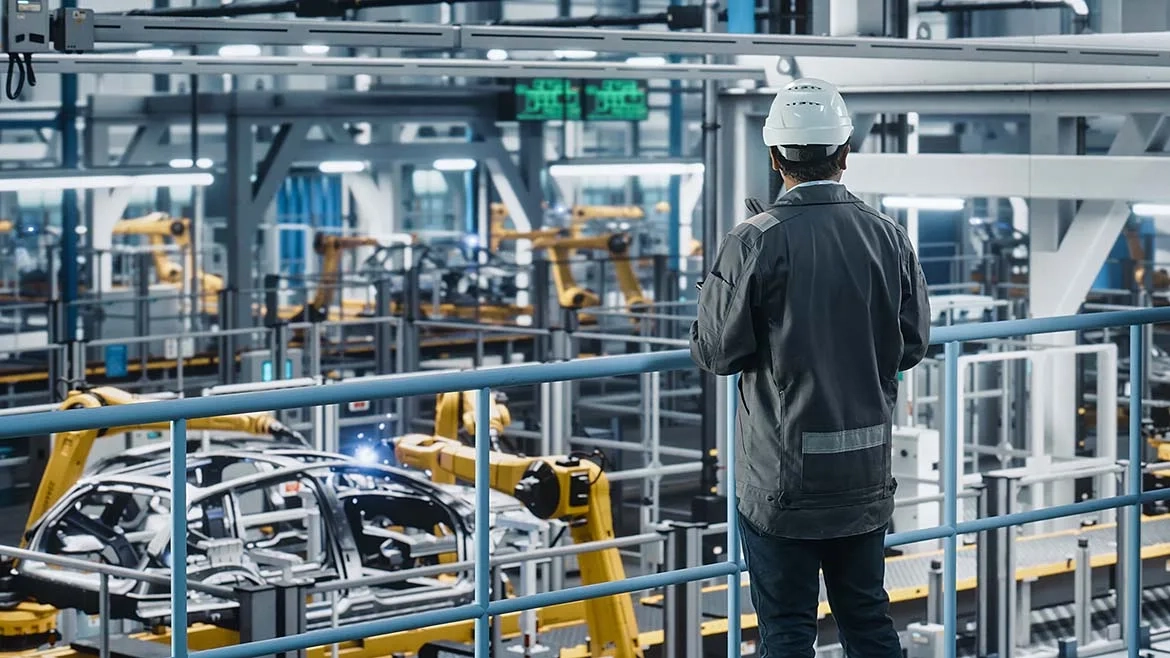
The future of quality manufacturing is being reshaped by three interconnected forces: predictive intelligence, cloud connectivity, and automated compliance. Traditional reactive inspection models—where defects are found only after production—are rapidly giving way to proactive digital frameworks. This shift is often described as the move from reactive quality control to predictive Quality 4.0.
From Detection to Prevention
Modern manufacturing is no longer satisfied with finding defects after the fact; it aims to stop them before they occur. Next-generation quality management systems (QMS) leverage Artificial Intelligence (AI) and Machine Learning (ML) to analyze live telemetry from the factory floor. Key capabilities include:
-
Anomaly detection: Algorithms identify subtle pattern shifts in machine operations or raw materials, flagging drift before scrap occurs.
-
Computer vision: Automated visual inspections eliminate human fatigue and bias on high-speed assembly lines.
-
Prescriptive action: Systems no longer just log non-conformances—they suggest or execute real-time line corrections automatically.
The Shift to Cloud-Native Platforms
On-premise, paper-heavy binders and siloed spreadsheets are fading. Cloud-native platforms now unify multi-site operations, making quality data immediately accessible across global supply chains. This transformation enables:
-
Ecosystem integration: QMS platforms plug directly into ERP and IoT sensor networks to maintain unbroken digital threads.
-
Supplier collaboration: External component providers feed real-time quality and compliance data straight into the central database, lowering inbound defect risks.
-
Remote auditing: Digital audit trails, version-controlled standard operating procedures (SOPs), and instant data retrieval streamline compliance checks.
Compliance Meets Corporate Values
As regulatory landscapes tighten, quality departments are being forced to merge standard compliance with broader corporate values:
-
Standard harmonization: Global regulations increasingly mirror unified structures, demanding built-in risk management models over rigid documentation.
-
ESG metrics: Modern QMS tracking incorporates environmental, social, and governance data—monitoring scrap rates, energy waste, and circular economy compliance.
-
Human-centric automation: Technology empowers shop-floor workers with accessible mobile tools rather than replacing them, fostering a plant-wide culture of quality-at-the-source.
Conclusion
The QMS of the future is not merely a documentation tool—it is an intelligent, connected, and values-driven ecosystem. Manufacturers that embrace predictive intelligence, cloud connectivity, and automated compliance will be better positioned to reduce waste, ensure regulatory readiness, and build a sustainable culture of quality.
Reference:
Quality Magazine — The Future of Quality Management Systems (QMS)
https://www.qualitymag.com/articles/99812-the-future-of-quality-management-systems-qms